Tabletop vs Floor Pottery Wheels


Tabletop vs Floor Pottery Wheels

Choosing the right pottery wheel is one of the most important decisions a ceramic artist can make. One your search you will come across two distinct options, a tabletop pottery wheel and a floor pottery wheel.
Both types of pottery wheels can produce beautiful work. The difference comes down to power, stability, space, and how you plan to grow as a potter.
If you’re trying to decide which pottery wheel is right for you, this guide breaks down the key differences so you can make a confident choice.
What Is a Tabletop Pottery Wheel?

A tabletop pottery wheel is a compact wheel designed to sit on a sturdy table, bench, or dedicated stand. These wheels are typically lighter and more portable than floor models, making them especially popular for home use.
Why Potters Choose Tabletop Wheels
Tabletop pottery wheels are ideal for:
-
Beginners learning the basics
-
Small apartments or shared spaces
-
Studios where equipment needs to be stored between sessions
-
Artists who primarily throw smaller forms
-
Potters who want a portable wheel for demonstrations, workshops, classrooms, craft fairs, or for throwing both indoors and outdoors.
Because they’re portable, a tabletop pottery wheel can be set up when needed and tucked away afterward. For many new potters, this flexibility makes getting started much easier.
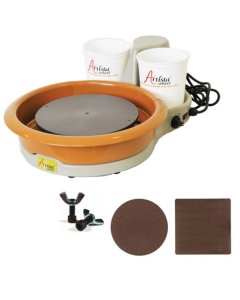
If you are looking for a table top pottery wheel, we recommend the Speedball Artista Pottery Wheel. This tabletop wheel can be made into a free standing wheel if you purchase the separately sold legs.
Things to Consider
While tabletop pottery wheels are capable tools, they generally offer:
-
Lower torque than full-size floor wheels
-
Smaller clay capacity ranging from 5 to 25lbs.
-
A setup that depends on table height and seating position
For small bowls, mugs, and practice pieces, a tabletop pottery wheel works beautifully. For moderate, large, or heavy forms, it may feel more limited.
What Is a Floor Pottery Wheel?

A floor pottery wheel is a full-size, standalone wheel designed for permanent studio use. These wheels are heavier, more powerful, and built for stability during long throwing sessions.
Why Potters Choose Floor Wheels
Floor pottery wheels are ideal for:
-
Dedicated home studios
-
Production potters
-
Schools and community studios
-
Artists throwing larger or heavier forms
With stronger motors and higher torque, floor pottery wheels maintain consistent speed even under pressure. That stability makes centering easier and reduces strain over time.
What to Consider
Floor pottery wheels require:
-
More permanent space
-
A larger upfront investment
-
Less portability
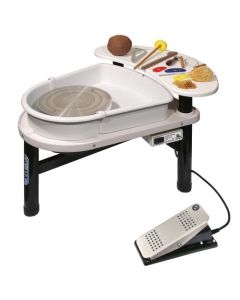
However, for potters who throw frequently or plan to grow their practice long-term, a floor pottery wheel often becomes the centerpiece of the studio. One of our favorites is the Bailey ST-X Pottery Wheel which includes a FREE Ergo Counter.
Key Differences That Matter in Daily Use
1. Power & Torque
Torque determines how well a pottery wheel maintains speed while centering clay. Floor pottery wheels typically offer more torque, which is especially helpful when working with larger amounts of clay.
If you plan to throw larger bowls, platters, or production pieces, torque matters.
2. Stability
Floor pottery wheels are heavy and grounded, meaning they won’t shift or vibrate during use. Tabletop pottery wheels rely on the stability of the surface they sit on. A sturdy table can provide excellent performance, but setup matters.
3. Ergonomics & Comfort
Floor pottery wheels are designed for long throwing sessions with consistent posture. Tabletop pottery wheels require more attention to table height and chair positioning to ensure comfort.
If you plan to throw for extended periods, comfort becomes a major factor.
4. Space & Storage
If you’re working in a small apartment or shared space, a tabletop pottery wheel may be the more practical option. If you have a dedicated studio space, a floor pottery wheel offers a more permanent, professional setup. Be aware even with a tabletop pottery wheel you must prep your space for safe use. Read our, “The Complete Guide to Setting Up a Home Pottery Studio,” for more details.
Which Pottery Wheel Is Right for You?
A tabletop pottery wheel may be right for you if:
-
You’re just getting started
-
You primarily throw small to medium forms
-
You need portability
-
You’re working in a limited space
A floor pottery wheel may be better if:
-
You throw frequently
-
You want higher torque and stability
-
You plan to grow your practice long-term
-
You have a dedicated studio area
Some potters begin with a tabletop pottery wheel and upgrade later. Others choose a floor pottery wheel from the beginning to avoid upgrading as their skills advance.
Thinking About Your Future Practice
When choosing a pottery wheel, think beyond where you are today. Ask yourself:
-
How often will I realistically throw?
-
What size work do I want to create?
-
Do I see pottery becoming a long-term commitment?
-
Will my studio space change in the next few years?
The right pottery wheel is the one that supports your current needs while allowing room for growth.
Both tabletop and floor pottery wheels are capable, professional tools when matched to the right user. The key is understanding your space, your goals, and the type of work you want to create.
If you’re ready to explore your options, browse our selection of tabletop and floor pottery wheels to find the one that fits your studio and your future.
About the Author

Related Posts
Bailey Pottery Gift Guide 2025: 7 Perfect Gifts for Clay Lovers
Best Pottery Wheels for Beginners

Make a Garlic Plate from Start to Finish
Related Products