Should You Buy New or Used Pottery Equipment?


Should You Buy New or Used Pottery Equipment?
As more artists set up home studios and expand their pottery practice, one question keeps rising to the top: Should you buy your pottery equipment new or used? Searches for terms like “used pottery wheels,” “used kilns,” and “used slab rollers” have increased significantly over the past few years, signaling that potters are actively weighing cost savings against long-term reliability.
Wheels, slab rollers, and electric kilns are built to last, so it’s natural for buyers to wonder: “Is it worth paying full price for new equipment, or can used gear get the job done just as well?” Pottery equipment is engineered for longevity, meaning used machines may still offer years of service. Ultimately, buyers must decide whether minimizing cost or maximizing reliability is the higher priority.
This blog walks you through the pros, cons, hidden costs, and decision-making factors to help you make the best choice for your studio.
Pros of Buying Used Pottery Equipment
1. Lower Upfront Cost
The biggest advantage is affordability. Used equipment often costs less than new, making it an appealing option for budget-conscious potters.
2. Eco-Friendly Choice
Frequent replacement of equipment increases overall material consumption. Extending the life of well-built equipment helps reduce waste by keeping metal, wiring, electronics, and refractory materials in use longer.
3. Great Option for Beginners Testing the Waters
If you’re unsure how committed you are to ceramics long-term, a used wheel or small kiln can be a low-risk way to start. Still be sure to do your research as to what your space can handle! Flooring, household power capabilities, and ventilation are all important factors to consider.
4. Long-Lasting Equipment Can Still Have Plenty of Life Left
Quality pottery equipment, especially well-built kilns and wheels, can function for decades when properly maintained.
Cons of Buying Used Pottery Equipment
1. Unknown History
You may not know how heavily the equipment was used, how it was stored, or whether it was overloaded or improperly repaired.
2. No Warranty
Used equipment rarely comes with any protection, support, or guarantees if something goes wrong.
3. Potential Hidden Repairs
Small issues can sometimes lead to unexpected repairs once the equipment is in use. What initially appears to be a good deal may require additional time and investment to bring it fully up to working condition.
4. Possible Downtime Before Use
You may not be able to throw or fire right away when buying used equipment. Expect to perform cleaning and, in some cases, repairs before using the equipment. When missing parts you’ll need to wait for them to be shipped in and then physically replace the parts.
Common Repair Costs to Expect
Used equipment often seems like a great bargain, until you add in the cost and time to repair old equipment. Most of the time these repairs are up to the ceramicist. Here are typical issues to look out for:
Kilns
-
Getting Help: Very few electricians will work on a kiln, because kilns require specialized knowledge to repair. Be prepared to do your own fixes and research.
-
Elements
-
Thermocouples
-
Brick repair
-
Controller issues
Pottery Wheels
-
Belts
-
Motors
-
Wobble
-
Noisy bearings
Slab Rollers
-
Cable tension fixes
-
Roller alignment adjustments
-
Canvas replacement
Other Hidden Costs
-
Freight or moving fees: Transportation isn’t free whether it’s you driving out to pick up the equipment or having it delivered. This equipment is heavy and will always carry expensive shipping costs.
-
Electrical incompatibility: Some kilns come with higher voltage requirements than regular households can support. Make sure you do your research before settling on a used kiln.
-
Missing parts that are no longer sold: When buying older equipment on the second hand market, the manufacturer may not be carrying required pieces to fix the equipment. You’ll have to consider what kind of support you can receive. Most manufacturers cease production of an old model after moving production onto other products.
-
Rust or moisture damage: You have to make sure to properly inspect your equipment before purchasing it. Hidden damages like rust or moisture damage can indicate a short lifespan for the money you’re paying.
“How Handy Are You?”
Buying used pottery equipment often requires mechanical, electrical, or troubleshooting skills. If you aren’t comfortable diagnosing issues, replacing components, or rewiring equipment, a “cheap” used machine can quickly become overwhelming. Trying to fix older equipment without these skills can even be dangerous.
Repairs cost time and money and for beginners, that downtime can slow momentum and lead to frustration. Beginners can burn themselves out before they even get to work on any pottery.
If you need your equipment to work immediately and predictably, used equipment may not be the best choice.
When Buying New Is Better
1. Technical Support
New Bailey equipment comes with free tech support, clear documentation, and help diagnosing problems something you won’t get with secondhand finds. When you buy used equipment all the work and research will need to be done yourself.
2. Modern Safety & Energy Efficiency
New kilns and wheels use safer wiring, better controllers, improved insulation, and more efficient motors. You’ll never truly know what you’re getting into when picking up used models. New equipment will come as the manufacturer intended.
3. Ready to Use Immediately
No cleaning, no guesswork, no repairs. Just plug in and begin creating.
4. Reliable Performance
New equipment runs smoother, fires more accurately, and lasts longer, giving you consistent results right away.
5. Better Long-Term Value & Resale
A new kiln or wheel that you’ve maintained properly will retain more resale value than an older, unknown machine.
Checklist for Buying Used Pottery Equipment
If you do go the used route, inspect these items carefully:
-
Age of the equipment
-
Kiln firing history (how many firings + to what temperature)
-
Storage conditions. Was it kept indoors or in a damp garage?
-
Brick damage, rust, or corrosion
-
Motor noise or wobble on wheels
-
Slab roller cable tension and roller alignment
-
Missing or mismatched parts
-
Outdated or malfunctioning controllers
-
Electrical requirements (compare with your home setup)
Ask for pictures, videos, and serial numbers if buying online.
Safety Considerations When Buying Used
Older or poorly maintained equipment can pose hazards. Look for:
-
Frayed wires or outdated wiring
-
Controllers older than modern safety standards
-
Kilns stored in damp areas (risk of corrosion or electrical shorts)
-
Missing guards, cracked hardware, or damaged lids
-
Improper owner modifications
-
Know what you can handle: Don’t take on any project you are not confident in. This can be dangerous equipment to fix without proper experience.
If anything seems unsafe, skip it. Studio safety isn't negotiable.
Creative Momentum Matters
Every potter knows how crucial flow and momentum are when learning and improving.
Used equipment that needs repairs can interrupt that flow before you even begin.
New equipment gives you the ability to start throwing, handbuilding, and firing immediately, helping you build confidence and consistency faster.
Bailey Expertise You Can Trust
One major advantage of buying new from Bailey is the support that comes with it:
-
Toll-free technical support from real equipment specialists
-
Replacement parts readily available
-
How-to repair videos on the Bailey Blog
-
Equipment built to last for decades
Many Bailey wheels and slab rollers last through multiple generations of potters and are still going strong.
Conclusion: What’s the Right Choice?
There’s no one-size-fits-all answer.
Choosing new vs. used pottery equipment depends on:
-
Your budget
-
Your timeline
-
Your skill level
-
Your studio space
-
How long you plan to use the equipment
If you want reliability, safety, support, and long-term value, new equipment is usually the better investment.
If you’re mechanically experienced, budget-conscious, or just starting out casually, a used machine can be a great stepping stone as long as you know what to look for.
Whichever path you choose, Bailey Pottery is here to help you build a studio that supports your creativity and grows with your craft.
About the Author

Related Posts
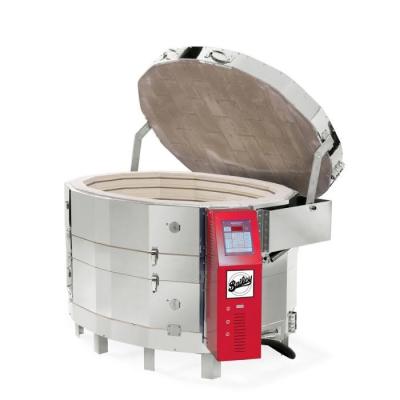
Choosing the Right Kiln Size

Should You Fire Your Own Pottery?
DIY Screenprinted Ring Dish: A Printmaking Meets Clay Project
DRD/II Assembly Instruction Video