Should You Fire Your Own Pottery?

Should You Fire Your Own Pottery?

For many potters, there comes a point when firing becomes the biggest obstacle in their creative process. Maybe you're taking classes at a local studio, paying for kiln firing services, or waiting to get work back from a community kiln. At some point, you may start wondering whether it's time to fire your own pottery.
The answer depends on your goals, how often you make work, and how much control you want over the process. For some potters, community firing remains the perfect solution for years. For others, owning a kiln becomes a natural next step in growing their studio practice.
Starting with Community Studio Firing

Most potters begin their ceramic journey by using a community studio, school kiln, or firing service. This approach has several advantages.
The biggest benefit is cost. Kilns represent a significant investment, and firing services allow beginners to focus on learning clay, glazing, and throwing techniques without worrying about equipment, electrical requirements, or firing schedules.
Community studios also provide access to experienced instructors and technicians who can answer questions and help troubleshoot problems. For someone just learning ceramics, this support can be invaluable.
However, there are limitations. Firing schedules are determined by the studio, not the potter. Depending on the studio, you may need to wait until a kiln load is full or until the next scheduled firing cycle. You may also be limited to the clay bodies, glazes, and firing temperatures approved by the facility.
As your skills develop, these limitations can start to feel restrictive.
The Benefits of Firing Your Own Pottery
Owning a kiln gives you complete control over your work from start to finish.
You decide when to fire, how often to fire, and what firing schedules to use. There is no waiting for kiln loads to fill or adjusting your creative process to match someone else's schedule.
For potters who enjoy experimenting, this freedom can be transformative. You can test new glazes, fire small batches, and make adjustments without needing to coordinate with a studio.
Having your own kiln also creates opportunities for faster learning. Because you control the entire process, you can see how firing schedules affect glaze results, clay maturity, and finished surfaces. Many potters find that their understanding of ceramics grows significantly once they begin firing their own work.
When Buying a Kiln Starts to Make Sense

There is no universal rule, but there are several signs that it may be time to consider owning a kiln.
If you're regularly paying firing fees, producing a large volume of work, or frequently waiting for studio firings, the convenience of owning a kiln may outweigh the cost.
Many potters reach this point when they begin selling work, teaching classes, or expanding a home studio. The more pottery you produce, the more valuable firing flexibility becomes.
For some artists, the decision isn't about volume at all. It's about independence. Having the ability to fire whenever inspiration strikes can be worth the investment by itself.
You can read more in our How to Choose the Right Pottery Kiln Blog.
Challenges of Owning a Pottery Kiln
Owning a kiln also comes with responsibilities.
Electricity usage, ventilation requirements, maintenance, and replacement parts all become part of the process. Kilns require dedicated space, and larger models often require professional electrical installation.
Firing also involves a learning curve. Understanding firing schedules, witness cones, heat work, and kiln maintenance takes time.
While modern electric kilns are more user-friendly than ever, successful firing still requires knowledge and attention to detail.
For many potters, these challenges become part of the enjoyment. Others may prefer focusing exclusively on making work and leaving firing to a community studio.
Small Kilns and Test Kilns: A Middle Ground

For potters who are curious about firing their own work but aren't ready for a full-size kiln, a test kiln can be an excellent option.
Test kilns are compact, energy-efficient, and ideal for glaze testing, small projects, and learning the basics of firing. They require less space and can help potters become comfortable with kiln operation before investing in a larger model.
Many experienced ceramic artists keep a test kiln even after purchasing larger production kilns because of the flexibility it provides.
You can read more in our Choosing The Right Kiln Size Blog.
Growing Into a Home Studio
Many potters don't buy their dream kiln first. They grow into it.
A small electric kiln may be enough for occasional firing and experimentation. As production increases, firing frequency often increases as well. Some potters eventually move into larger electric kilns, while schools, community studios, and high-volume production potters may find that larger gas or electric kilns better suit their needs.
The important thing is choosing equipment that matches your current needs while leaving room for future growth.
Check out our The Complete Guide to Setting Up a Home Pottery Studio blog for more details.
So, Should You Fire Your Own Pottery?
If you're new to ceramics, continuing to use a community studio or firing service is often the most practical choice. It allows you to build skills and experience without the responsibility of owning equipment.
But if you're producing more work, looking for greater creative control, expanding your hobby or building a dedicated studio practice, owning a kiln can be one of the most rewarding investments you make.
The right kiln depends on your space, firing volume, electrical service, and long-term goals. Whether you're considering a small test kiln or planning a complete home studio, understanding your firing needs is the first step toward making the right decision.
Thinking about firing your own pottery? Explore Bailey's selection of test kilns, electric kilns, and firing accessories to find equipment that fits your studio and your goals.
About the Author

Related Posts
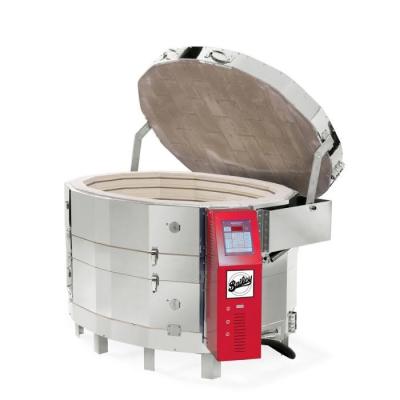
Choosing the Right Kiln Size
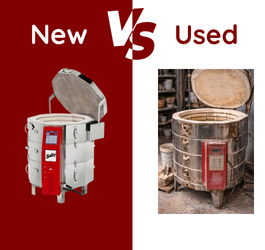
Should You Buy New or Used Pottery Equipment?