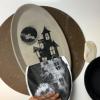
Mystery Pot 36 Maker Howard Kottler

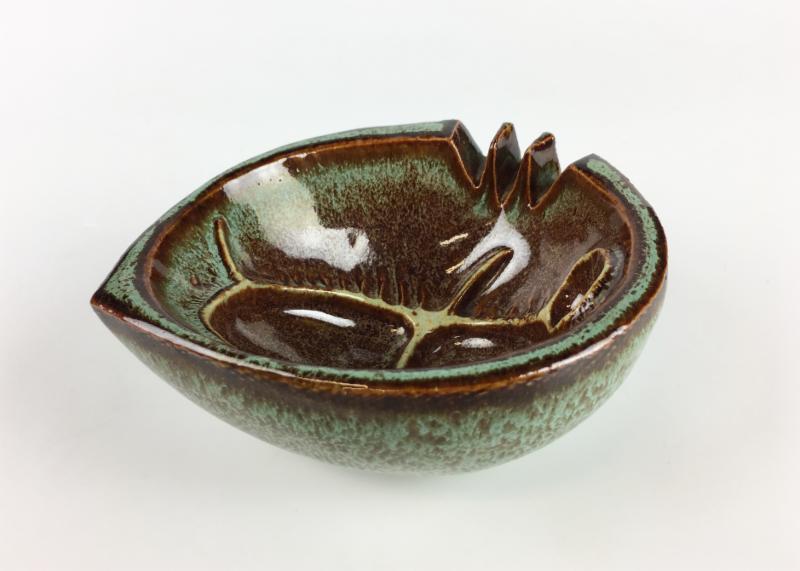
Howard Kottler piece from the Bailey Collection of Contemporary Ceramics
Mystery Pot 36
Howard Kottler 1930 - 1989
“The 1960s was an unbelievable period in American life. No one can imagine the full extent of the social forces of change at work during this time without living it. On my trips to San Francisco, I experienced the full bloom of hippie life. The Vietnam War, with all its social unrest, had powerful ramifications throughout the USA in daily life and in academia. Furthermore, there was a dramatic surge in the Bay Area into funk art, which manifested itself in ceramics through the use of bright colors, erotic images, narrative and the use of mixed media…It was a direction that worked perfectly for me and gave me the freedom to let my craziness run amok. I became my own man and expressed my sarcastic wit through images and titles in my artwork.”
Artist Statement from 1980 exhibition of plates at the Clay Studio in Philadelphia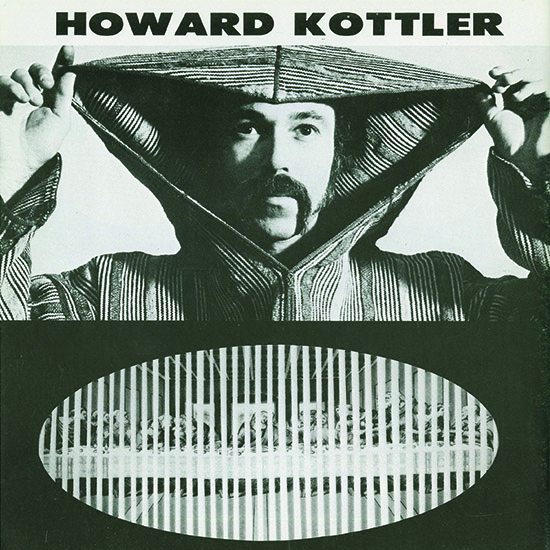
The late Howard Kottler was a clever renegade who influenced the direction of American ceramics in the 1960s until his early death from cancer in 1989. It was an unlikely career for the son of a coppersmith born in 1930 in Cleveland, Ohio. His family did not want him to be a tradesman and sent him off to Ohio State University to be an optometrist. Needing one more course to complete his Pre-med BS requirements, Howard took a ceramics course for fun. He did complete one miserable year in Optometry School before dropping out. A leaky heart valve from a childhood bout of rheumatic fever saved him from being drafted. He immediately enrolled in OSU’s well regarded BFA ceramics program. In 1956 he graduated from OSU with an MA in Ceramic Arts and a plan to be a traditional studio potter.
The Cranbrook Academy of Art in Michigan for an MFA was his next stop. There he studied with Finnish ceramist Maija Grotell. A Fulbright Scholarship took Kottler to the Central School of Arts and Craft in Helsinki. There he worked at the Arabia Ceramics Factory and learned about ceramic decals which became a big part of his work years later. He then returned to OSU to complete a Ph.D. in Ceramics.
A teaching opportunity at Washington University transplanted Kottler far from his Midwestern roots. He had already begun to think of himself as an artist-potter and was interested in using ceramics to express ideas. Spending much of his free time in the San Francisco Bay Area he was influenced by Pop Art and the Funk Movement. He became a leader in the Seattle Funk scene. His work began to move towards questioning the accepted standards of what was art.
Kottler’s ‘Grant Wood Ware Set’ from the early 1970s poked fun at luxury items and historical icons. Altered ceramic decals were applied to commercially produced porcelain plates and made pointed social commentary on the political and social issues of the times. His last body of work produced in the 1980s was a departure from his earlier work. Large cubist sculptures of figures (many self-portraits) and animals, gilded or in bright colors, explored the themes of identity and relationships. Not fully accepted by the art world in his lifetime, Howard Kottler’s legacy to the ceramic world is now widely acknowledged by both art critics and generations of his students and colleagues.
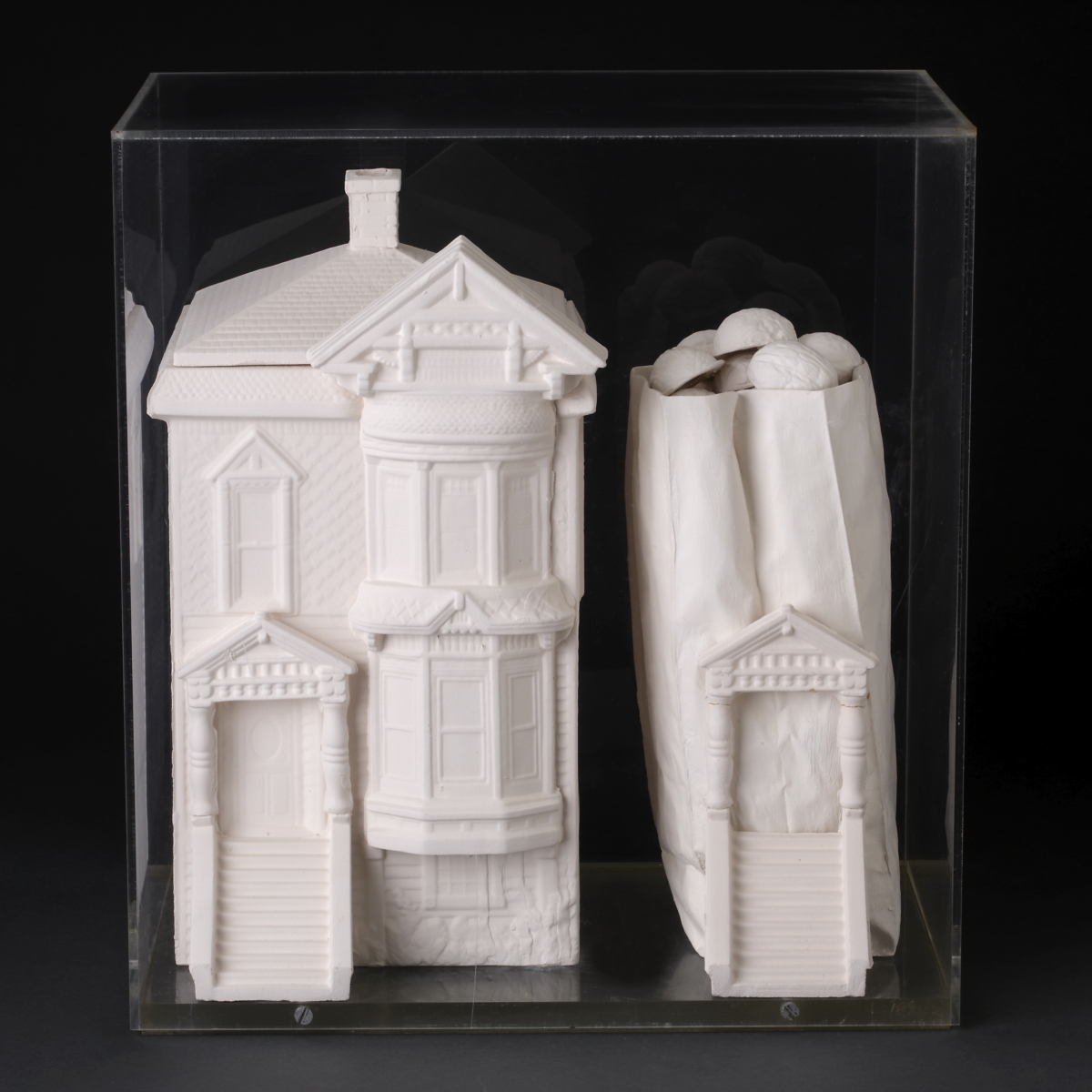
For more information about Howard Kottler and his work: Ceramics Art and Perception 1995 Issue 22, article by Judith Swartz https://www.judyschwartz.com/catalogs/KOTTLER.pdf
About the Author