Made With a Bailey Interview Featuring Eileen Egan


Website: www.eileen-egan.com
Instagram: @eileeneganpottery
Facebook: Eileen Egan Pottery
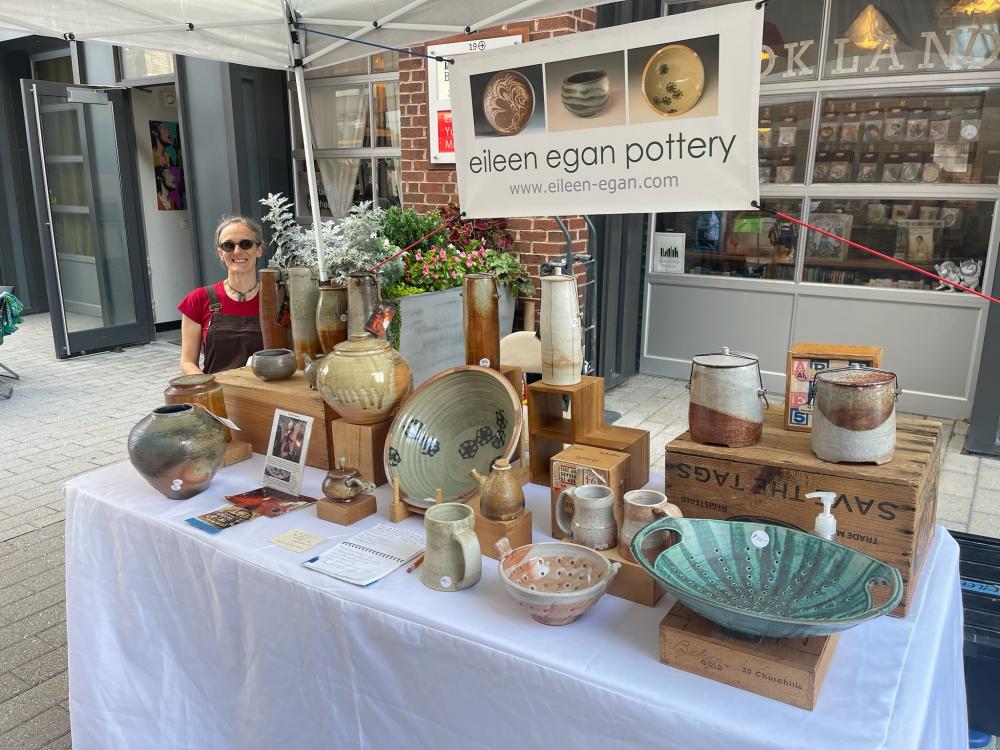
Tell us about yourself, how did you get started working in clay?
It was not a direct path! In my first week of college, I was allowed to apply from a list of on-campus jobs as part of a work-study grant. I was a 2-D artist enamored with printmaking, but (and this was my actual reasoning) I like getting dirty, and I love learning how things work, so I thought working in the Ceramics Department would be fun. Jeremy Jernegan was really kind to take me on and teach me. As a result, I learned to make clay and glazes, fire kilns, and maintain a studio before I ever intended to made a pot. When I didn’t get a work-study grant my second year, I knew I would miss being among the folks at the studio, so I finally registered for a class. I then became an enthusiastic handbuilder who wanted nothing to do with the wheel for three years.
I put a stop to anything further by coming up to DC for grad school, not in ceramics. By the time I finished, I missed it badly. I walked into Hinckley Pottery, they told me they only offered wheel-throwing, I figured I guess I’d try it now, and then I was all in. I’ve been primarily a wheel-thrower ever since. Jill taught me to throw and allowed me to do work-study in her studio too. At one point I was taking two classes back to back on Wednesday nights after my job, doing work-study afterward til about 1am, and then coming in early to do more work-study before biking to work on Fridays. Around the same time, I took a woodfiring workshop with Kevin Crowe and then started haunting other woodfiring workshops, in one year helping with six woodfirings of various kind folks’ kilns while juggling my day job. Kevin then allowed me to be a part of his crew for years, which was another gift. I learned so much of what I understand about combustion and reduction from Kevin, and his teaching has informed every firing of every kiln I’ve used since then.
So I stumbled fitfully and sometimes reluctantly into what I love, have been unbelievably lucky in mentorship, and then attempted to make up for lost time by trying to find a way to burn the candle at three ends.
Can you tell us about your Bailey equipment and how it helps you create your work?
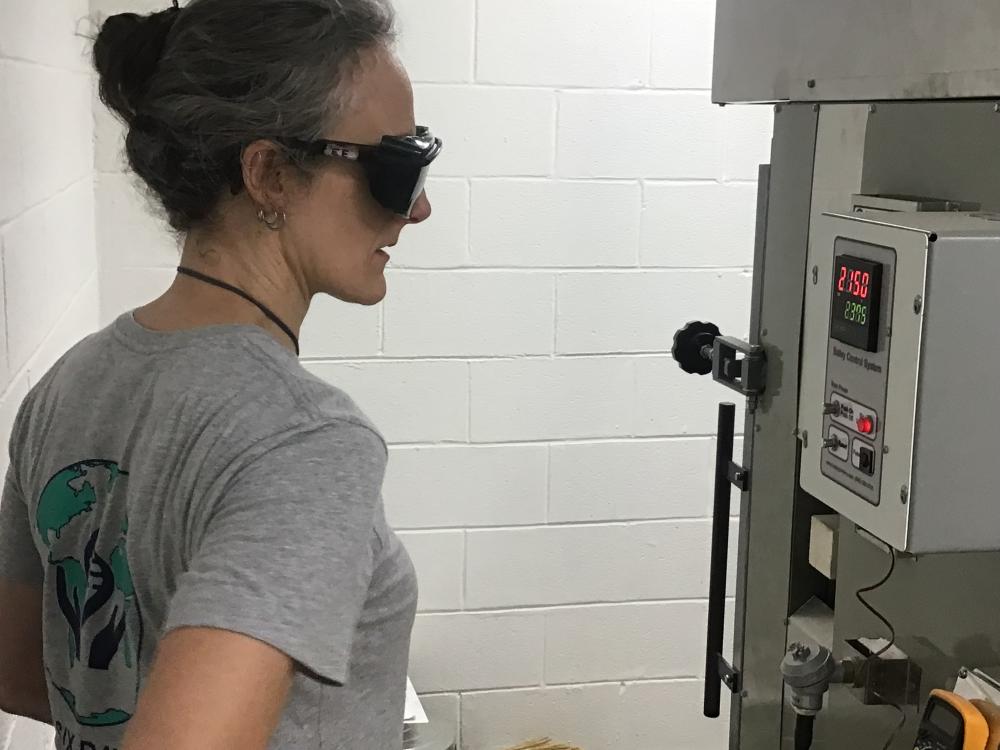
I have tools, shelves, and kiln furniture from Bailey, all heavily relied upon. But the centerpiece of my studio is an 18/12 Bailey gas kiln now. By the time I had saved enough to have my own studio and kiln, I’d long been in love with high-temperature reduction firing and the richness of palette and surface that comes with it. My husband and I also needed to decide whether to stay urban or not. When we chose to stay close to DC for non-clay work, to be among longtime communities here, and so that we could continue the bike-centric lifestyle we love, I’d need to convince the small city in which we now live to allow a gas kiln on residential property. Most if not all of the gas kilns I’d had my pots in had been Baileys, and a friend had related how often folks at Bailey had worked with her directly when she needed it, so I knew I’d aspire to it if I could do it. Steve Stewart and Jim Bailey worked with me by phone periodically over the years it took to make my case to the city. I absolutely love firing it, controlling my own firings inspires new work each time I fire, and I feel deeply lucky to have the kiln.

Where do you find inspiration for your imagery, color palette, and overall surface design style?
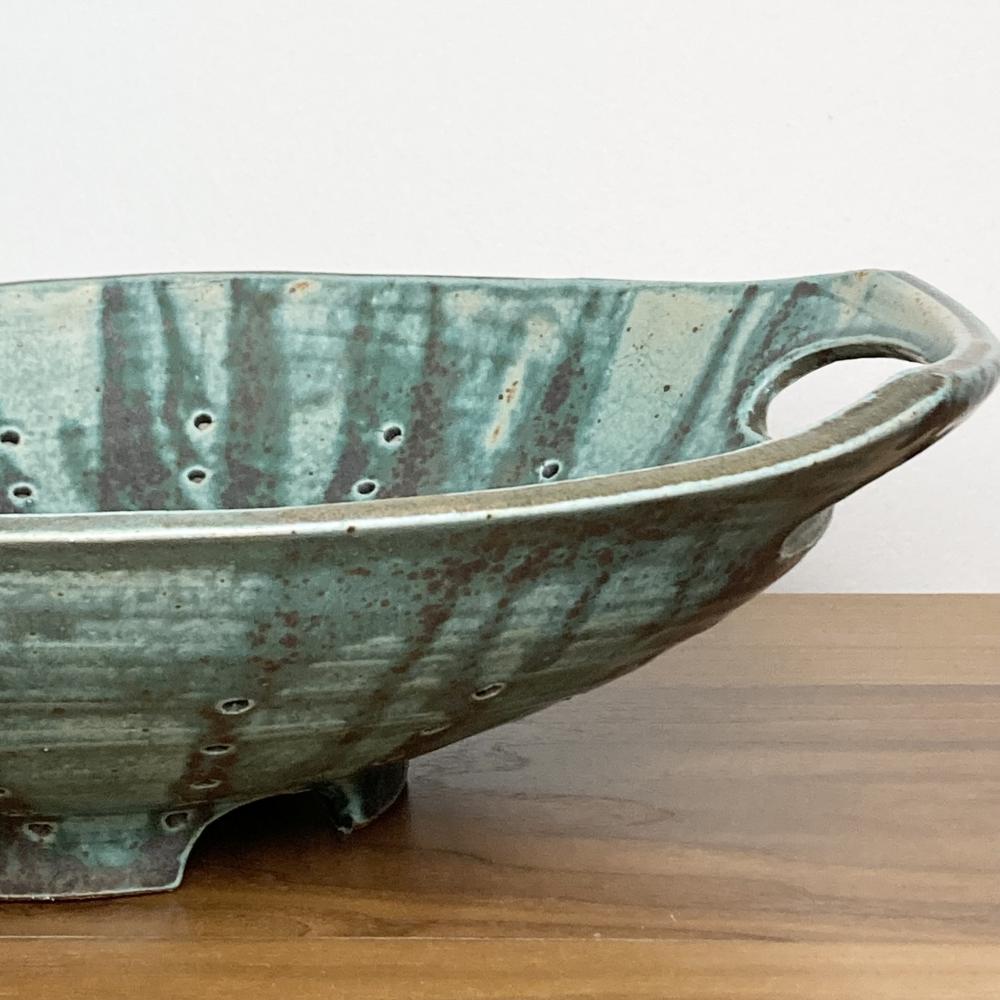
I was so heavily-influenced by the great (gas reduction) glaze and clay palette at Hinckley and by the unpredictable surfaces of atmospheric firing that I haven’t needed to look further in terms of color and surface that interest me. My printmaking background sometimes comes into play when I cut stamps to put slip decoration on pots, but my surfaces are often simple or left to the kiln, depending on how a pot will be fired. I still help crew an anagama twice a year with a group of potter friends, thanks to my friend and wonderful potter Noah Hughey-Commers, and I find that the steady moving back and forth between my own gas kiln and his wood kiln has been galvanizing in terms of making. The pots are better for it, and I’m running out of adjectives to describe my good fortune and gratitude for having figured out what I love and for being able to continue doing it.

Do you have a favorite part of the ceramic process?
I don’t have a favorite. One of the reasons clay has kept me so enthralled is that there *are* so many parts and that I love balancing them. I’m pretty inertial, though: when I fire a kiln, I want to nothing more than to fire again immediately afterward; when I am throwing, the last thing I want to do is get out of that groove and start trimming; when I’m enjoying the meditation of trimming, I’m not ready for the alertness that glaze-making requires – but I love doing all those things. So maybe my favorite part is whatever phase I am in at the time.
What are you most excited to work on or try next in the studio?
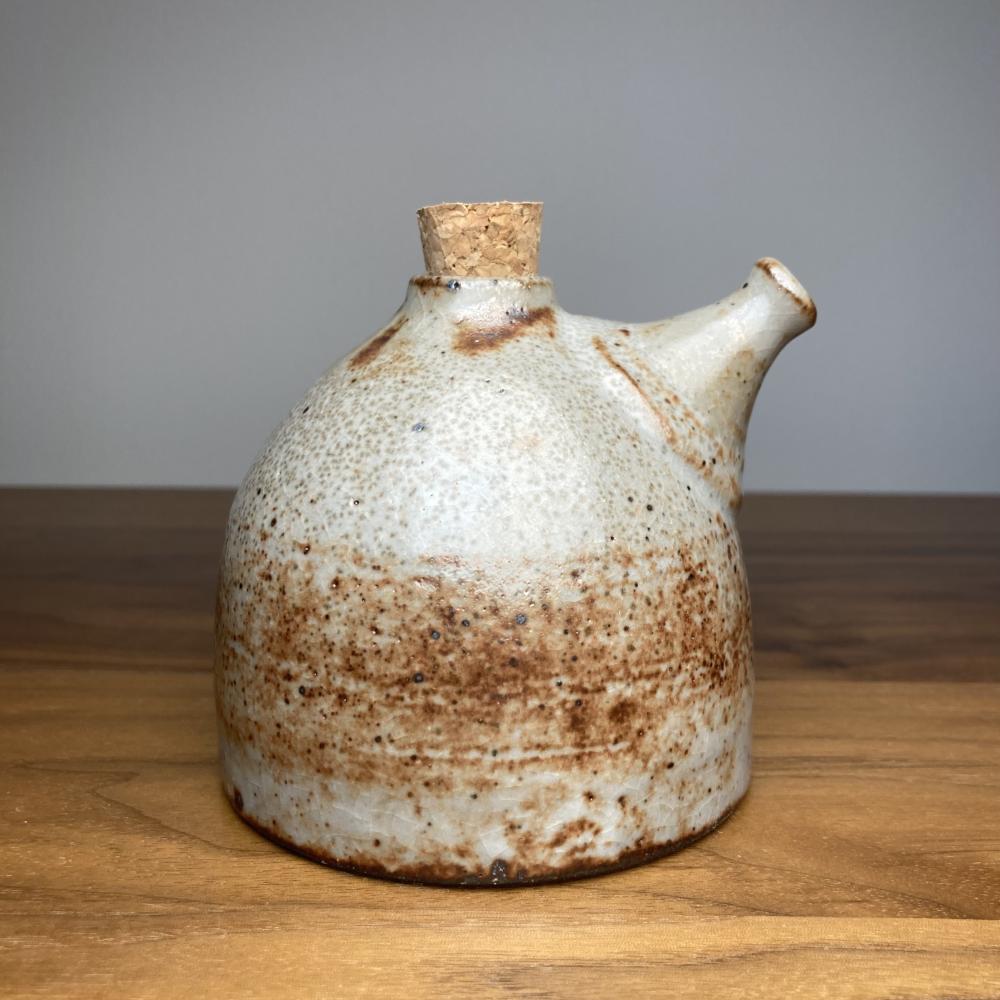
I want to start experimenting a little with different shino recipes. It’s exciting because I have my own kiln and studio in which I can control both firing and glaze-making now and because I love (love!) chasing the line between kiln efficiency and carbon trapping in firing shinos. But it’s also a necessary step because the cost and availability of ingredients has changed. It is great to have a problem that I’ll enjoy solving.

Do you use Bailey equipment to create your work? When posting your work on social media, remember to tag your post with #madewithabailey so we can continue to grow our Bailey clay community!
About the Author