Ai Wei Wei: Making Sense

Ai Wei Wei: Making Sense
Jim and I were in England a few months ago. I went to art college in London and maintain a healthy appreciation of England, its people, the culture and its many eccentricities. Arriving shortly after the coronation of King Charles, the streets of London were full of colorful banners and festive decorations.
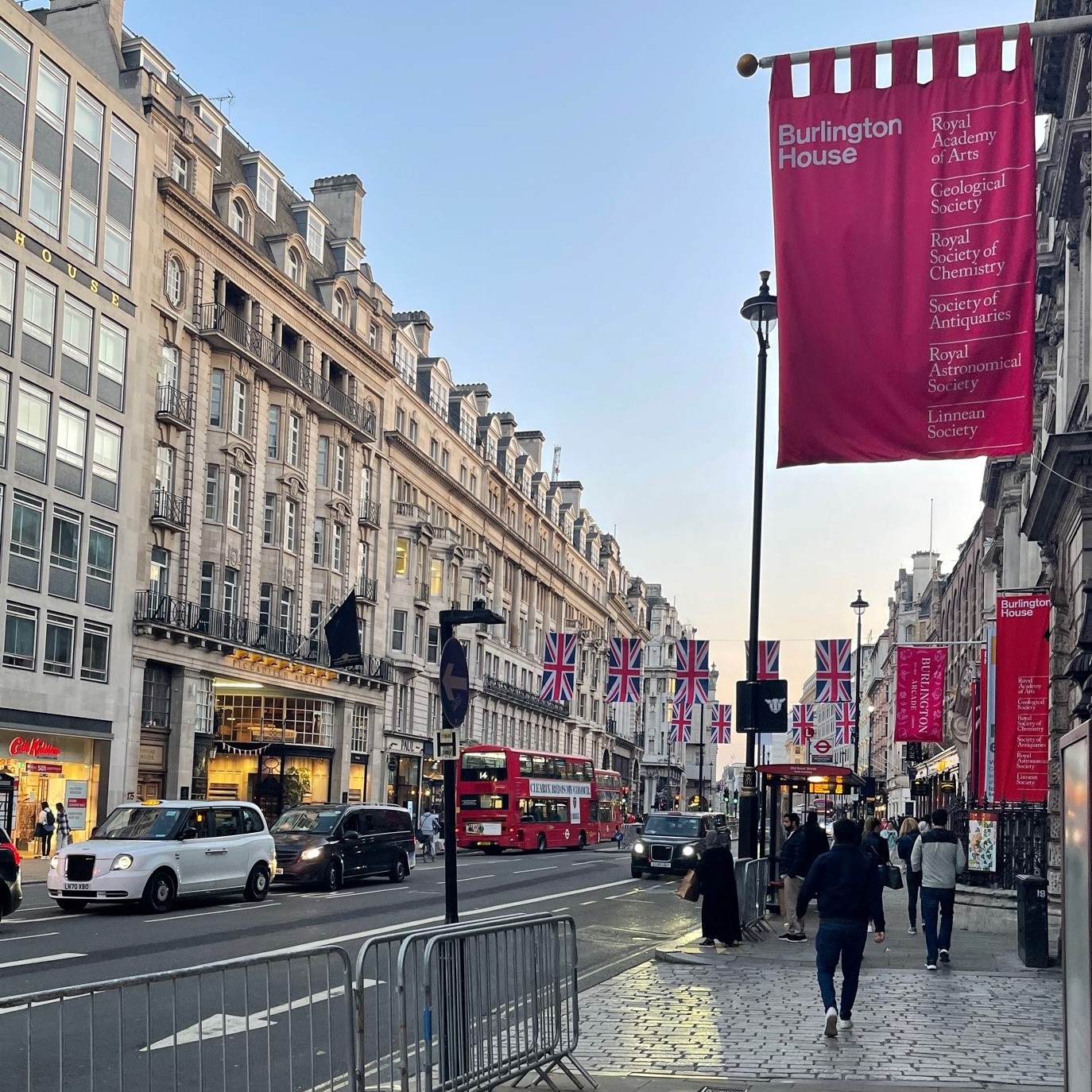
England is a place with a long history that managed to evolve into a country that allowed democracy to rise and the monarchy to quietly and steadily decline. Today the monarchy is a point of reference to a storied and fascinating past, and the country an enormous tourist attraction encompassing a place that once ruled the seas, much of the world and many people. I mention this here because in the evolution of human beings on our planet there are fewer and fewer places where one can experience freedom of speech, travel freely without fear, have freedom of expression and the freedom to be oneself. England is happily such a place. It is fitting so many of Ai Wei Wei’s shows take place here.
These thoughts of what it means to be free rushed through my head as we traveled to the Design Museum to see the artist Ai Wei Wei’s show, “Making Sense”. I’ve been to several Ai Wei Wei shows over the years. I always come away reflecting on how differently we experience life here on earth depending on where and in what bodies we are born. The idea behind Ai Wei Wei’s work is to consider what we value most and why. For me, it is clearly the importance of freedom and the value of every human life that is at the top of his list.
Artist, filmmaker, activist and collector - Ai Wei Wei is all these things. He is a philosopher and visionary with a powerful voice for the forgotten, the oppressed and the many injustices of the world. We need him like we need the air. He is also the maker of unbelievably vibrant and consistently meaningful art. The show “Making Sense” was no exception.
Ai Wei Wei became fascinated by Chinese antiquities over 30 years ago and began to collect artifacts that quickly developing China was disposing of. These artifacts are the things from which the show evolved. Of course being a potter I was most interested in the art he made from clay.
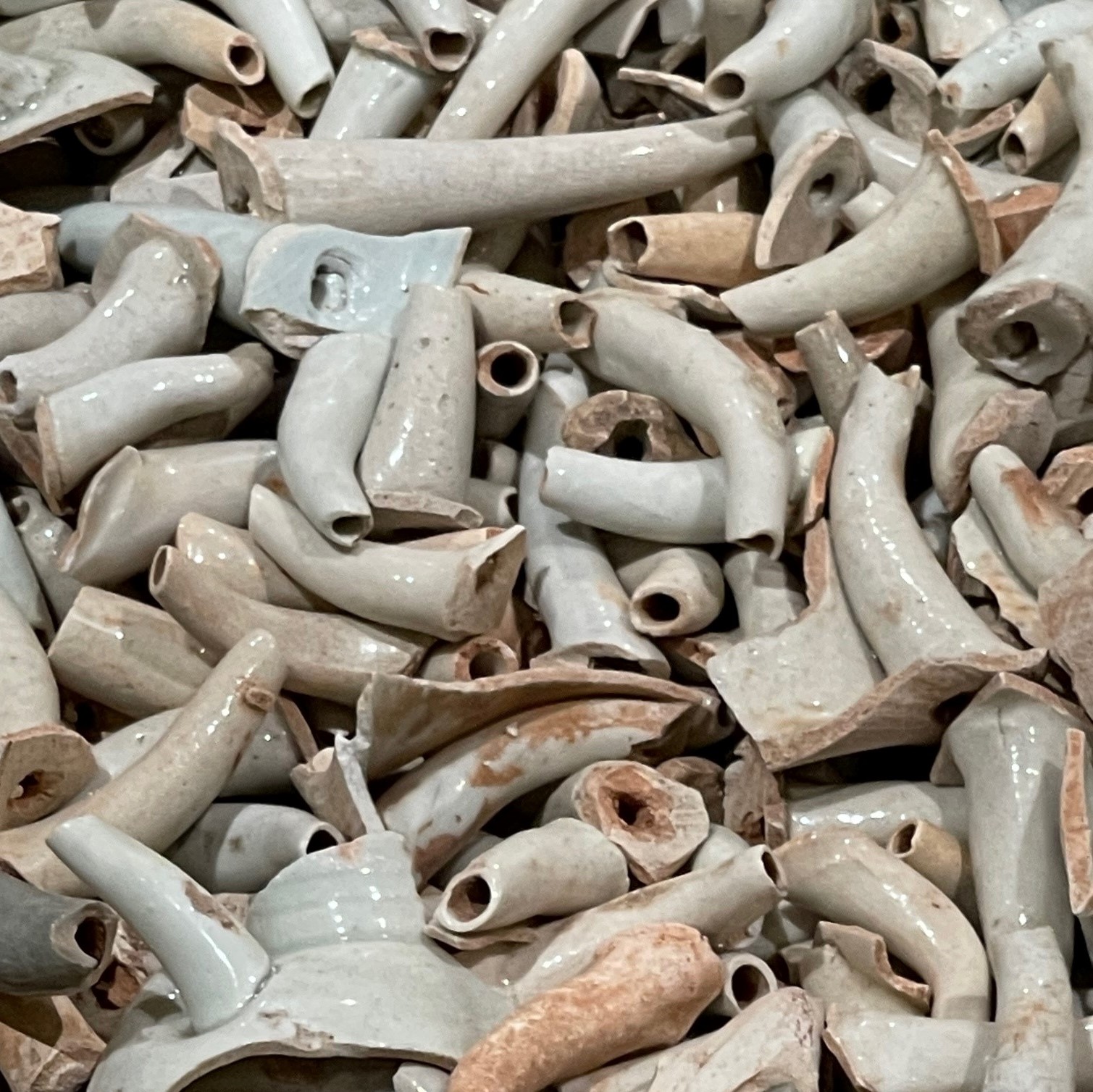
There are several large areas given to his ceramic pieces. In one of them, there are 250,000 broken teapot spouts displayed in a way which is both alarming and frightening. The spouts are displayed as a giant pile of broken porcelain pieces that somehow give the impression of discarded body parts. Bones of the dead and forgotten that have been thrown away in a pile. There are so many references to the inhumanity of humanity.

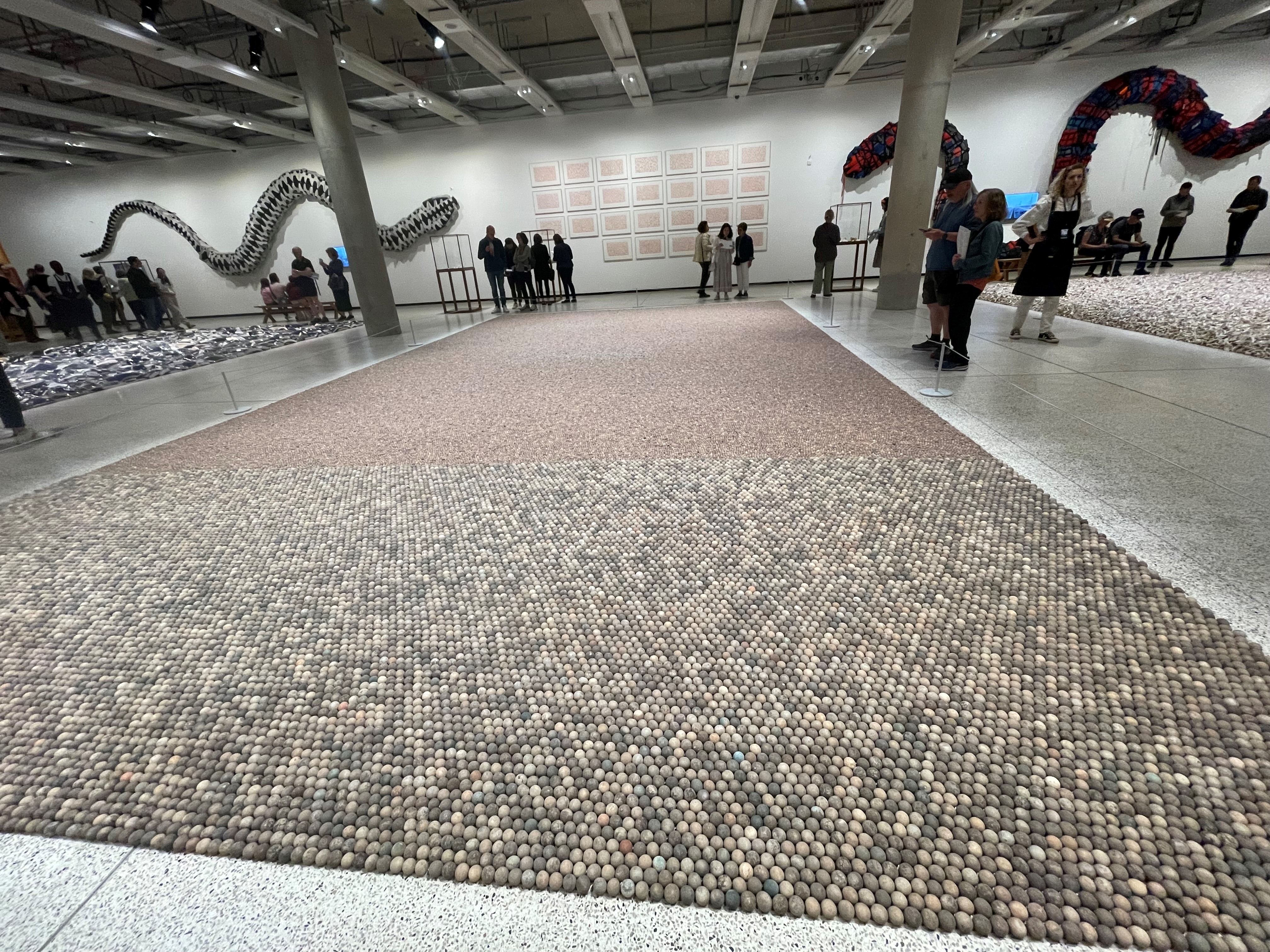
There is a piece where he has gathered hundreds of handmade porcelain balls that were used as cannon balls in the Song Dynasty. One thinks, how is such a delicate material also the material of death and destruction? As they are displayed there, they are a beautiful homage to the art of the handmade with very sinister overtones of how they were being used at the time.
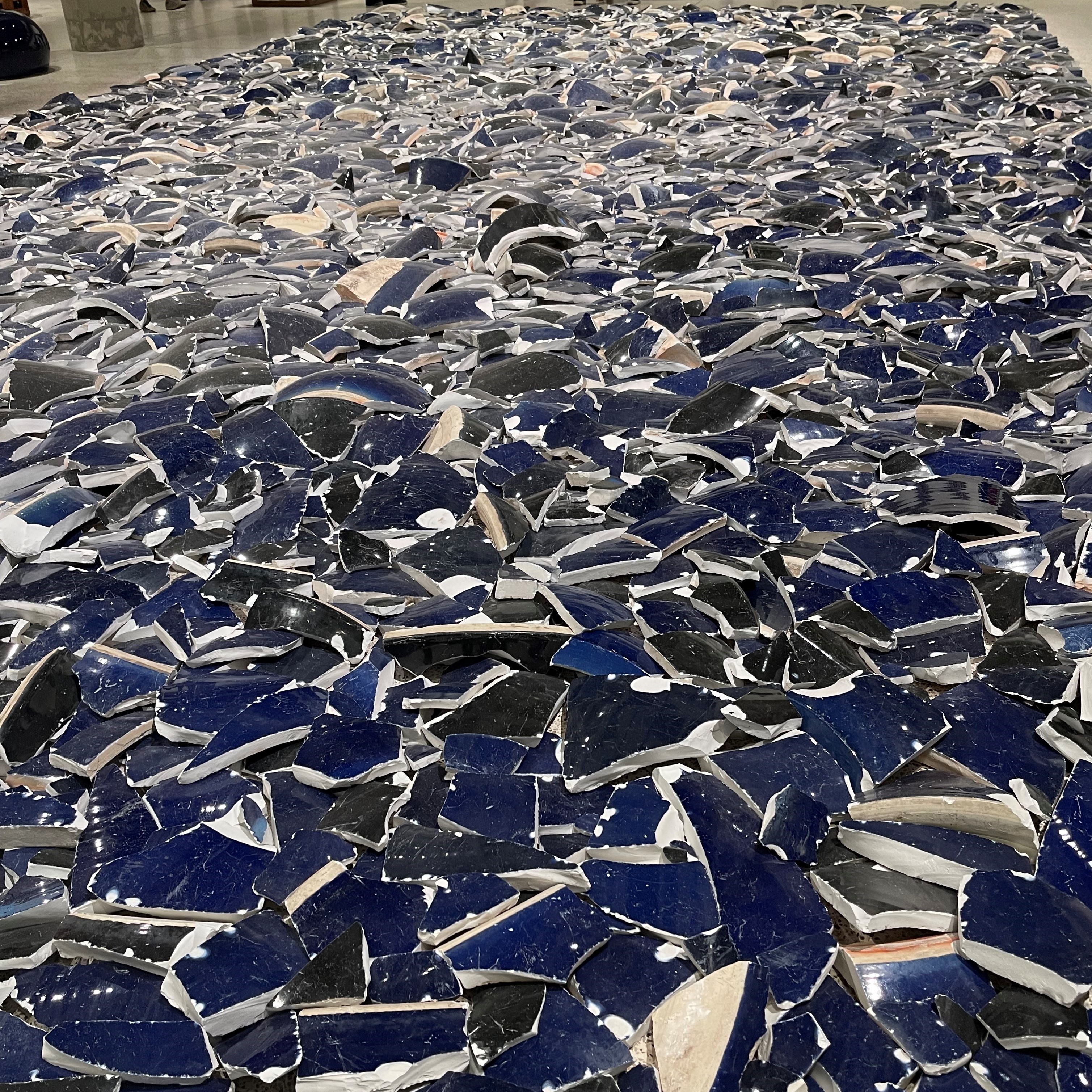
When Ai Wei Wei’s studio was destroyed by the Chinese state in 2018 he turned the pottery shards of work that had been smashed into art as a belief that humanity and the hope for freedom will ultimately overcome the most destructive and cruel of acts. He accomplished this and more. To make you think and to feel the pain but still remain hopeful is the underlying experience in all his work.
Anne Bailey
About the Author